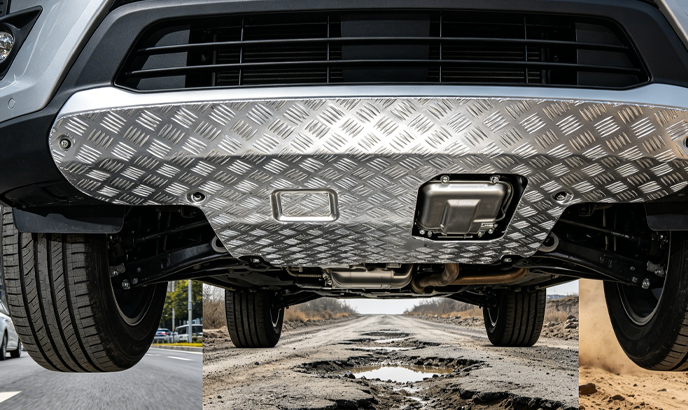

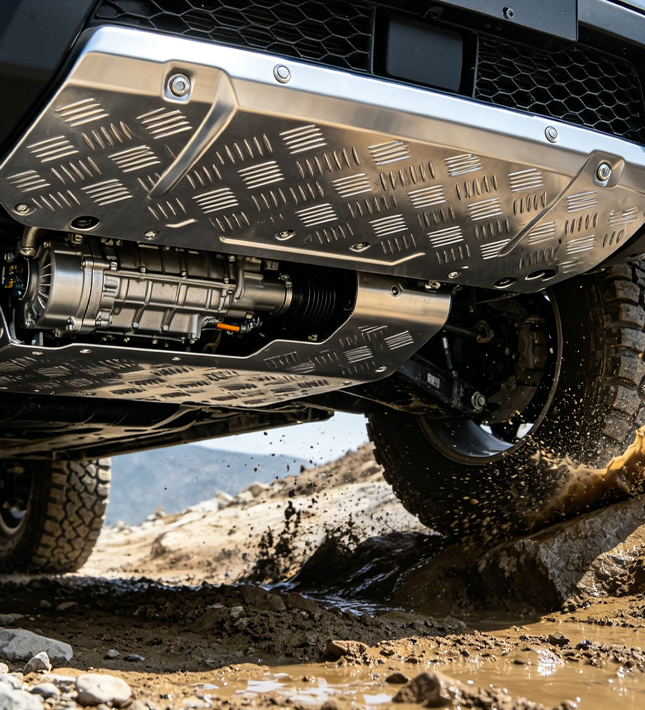
Reduces the impact of mud, water, and stones on the engine, wiring, and pipes, lowering the risk of aging, rust, and short circuits.
Blocks splashing water and mud, preventing direct water impact on critical components, providing greater protection during light water wading.
The skid plate can stabilize some chassis components, reducing noise from vibrations during driving and creating a more solid chassis.
A smooth skid plate optimizes airflow under the chassis, reducing turbulence, resulting in slightly better high-speed stability and less noise.
A clean chassis, free of bumps and rust, makes the car look better when sold.
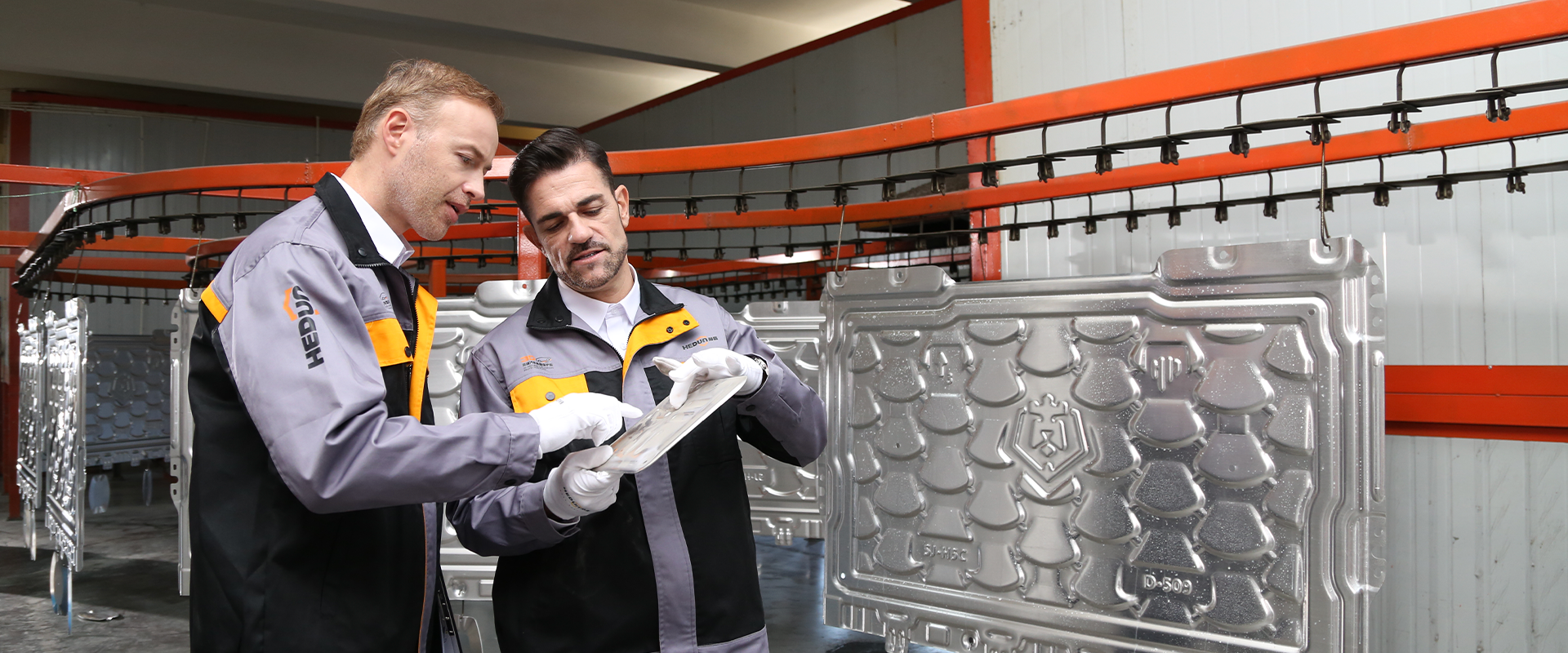
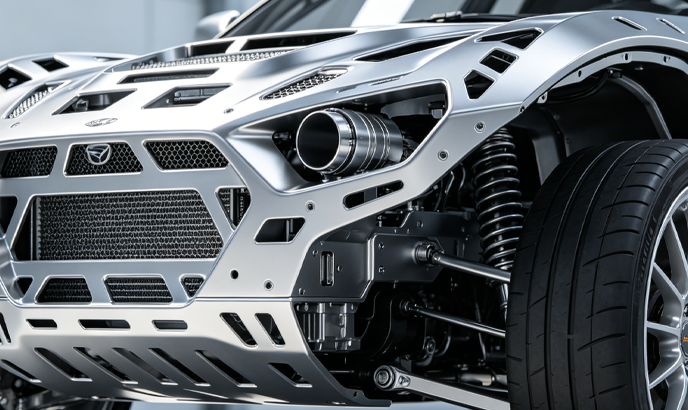
Strengths: 5052 alloy delivers reliable strength and excellent toughness; it resists cracking under minor impacts and can rebound or be repaired. The 3D structure effectively disperses impact force, fits tightly to the chassis, and prevents punctures from hard objects.
Weaknesses: Excessively hard with poor toughness; severe impacts create rigid collision that transfers force directly to the chassis, even damaging mounting points. The flat design causes concentrated stress, leading to localized deformation or breakage.
Advantages: 30–40% lighter than manganese steel; almost no increase in fuel consumption (≤0.1L/100km), friendly to suspension and handling, suitable for hybrid/electric vehicles and small-displacement vehicles.
Disadvantages: Scratched coating will inevitably rust; starts to rust in 1-2 years, rusts through in 3-5 years; requires annual inspection and repainting, more severe in coastal areas.
Advantages: Fast metal heat conduction + 3D three-dimensional airflow + pre-drilled precise heat dissipation holes, heat dissipation efficiency is 20-30% higher than manganese steel; does not affect engine/transmission heat dissipation, suitable for long-distance, high-load, and turbocharged vehicles.
Disadvantages: Flat surface coverage, poor air circulation; prone to heat accumulation in summer/at low speeds, affecting engine compartment heat dissipation; easily adheres to the chassis, creating a "steaming" effect.
Advantages: Natural oxide film, never rusts; maintenance-free in coastal/rainy areas, 5-8 years of worry-free use; acid and alkali resistant, anti-aging.
Weaknesses: Excessively hard with poor toughness; severe impacts create rigid collision that transfers force directly to the chassis, even damaging mounting points. The flat design causes concentrated stress, leading to localized deformation or breakage.
Advantages: Natural oxide film, never rusts; maintenance-free in coastal/rainy areas, 5-8 years of worry-free use; acid and alkali resistant, anti-aging.
Weaknesses: Excessively hard with poor toughness; severe impacts create rigid collision that transfers force directly to the chassis, even damaging mounting points. The flat design causes concentrated stress, leading to localized deformation or breakage.
Advantages: Natural oxide film, never rusts; maintenance-free in coastal/rainy areas, 5-8 years of worry-free use; acid and alkali resistant, anti-aging.
Weaknesses: Excessively hard with poor toughness; severe impacts create rigid collision that transfers force directly to the chassis, even damaging mounting points. The flat design causes concentrated stress, leading to localized deformation or breakage.
Advantages: Natural oxide film, never rusts; maintenance-free in coastal/rainy areas, 5-8 years of worry-free use; acid and alkali resistant, anti-aging.
Weaknesses: Excessively hard with poor toughness; severe impacts create rigid collision that transfers force directly to the chassis, even damaging mounting points. The flat design causes concentrated stress, leading to localized deformation or breakage.